Landmark Ontario Survey Exposes Widespread Caste-Based Discrimination, Calls for Legal Recognition

SADAN’s preliminary report urges provinces to recognize caste as a distinct category in human rights legislation and mandates all institutions from schools and universities to unions and employers, to explicitly address caste in equity, anti-harassment, and hiring policies.
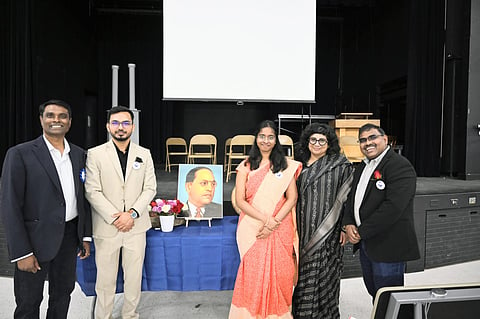
Research team with Dr. Ambedkar while releasing the caste study report in Dalit History Month Celebration.
Research team with Dr. Ambedkar while releasing the caste study report in Dalit History Month Celebration.SADAN
Published on

Mississauga– In a historic move marking Dalit History Month, the South Asian Dalit Adivasi Network in Canada (SADAN) has released preliminary findings from the first community-led survey on caste-based discrimination among South Asians in Ontario.

The study backed by researchers from four Ontario universities and funders including the Social Sciences and Humanities Research Council of Canada, the Toronto Foundation, the Canadian Race Relations Foundation, and the Community Funds of Canada reveals alarming trends: 92% of respondents from caste-marginalized communities reported experiencing caste discrimination in Canada, 68.9% said it has harmed their mental health, and 80% believe caste affects educational and employment opportunities.

Despite the Ontario Human Rights Commission’s 2023 policy recognizing caste as an intersectional ground of discrimination under the Human Rights Code, advocates say enforcement remains obstructed by denial and silence from caste-privileged groups.

Research field volunteers acknowledgements
Research field volunteers acknowledgementsSADAN

Kavya Harshitha Jidugu, PhD candidate in the Faculty of Education ⁨at Queen’s University, a lead researcher in the project team, underscores the challenges and momentous mobilization the study required: “The courage it took for community members to come forward and speak about caste-based discrimination is both powerful and essential to addressing casteism in Canada and we are grateful for the community’s leadership.”

SADAN works with diasporic community organizations, educational and government institutions, immigrant service providers, and labour organizations to address caste-based discrimination and stigmatization in Canada.

The preliminary report recommends that caste should be recognized as a distinct category of discrimination in human rights and equity legislation; and all institutions, including unions, public and private sector employers, schools and universities should directly address caste-based discrimination in hiring, equity, diversity, inclusion (EDI), and harassment and anti discrimination policies.

Speaking with The Mooknayak, Vijay Puli, Executive Director of SADAN, explained: “Anti-caste advocates often face challenges from caste-privileged members that claim that caste is not an issue in Canada. We know that caste-based discrimination is real in Canada because we experience it, and we need to make this reality visible to Canadian policymakers and institutions.”

About SADAN: SADAN (South Asian Dalit Adivasi Network, Canada) is a registered not-for profit organization whose mission is to advocate for the rights of Dalits, Adivasis, and other caste-oppressed and caste-marginalized communities. SADAN works with diasporic community organizations, educational and government institutions, immigrant service providers, and labour organizations to address caste-based discrimination and stigmatization in Canada.

You can also join our WhatsApp group to get premium and selected news of The Mooknayak on WhatsApp. Click here to join the WhatsApp group.

The Mooknayak English - Voice Of The Voiceless
en.themooknayak.com